If your morning shower feels more like a lukewarm drizzle than a revitalizing rinse, you’re not alone. Millions of homeowners overlook one critical detail that transforms their bathroom experience: choosing the right home improvement shower head type feature. It’s not just about aesthetics—it’s about water pressure, efficiency, and daily comfort. In this guide, we’ll walk you through seven actionable strategies to pick the perfect fixture while sidestepping common (and costly) errors.
Table of Contents
- Why Shower Head Choice Matters in Home Improvement
- Step-by-Step Guide to Selecting Your Ideal Shower Head
- Top Tips and Best Practices for Long-Term Satisfaction
- Real Results: What Happened When Homeowners Got It Right
- Frequently Asked Questions
Key Takeaways
- Not all shower heads deliver equal water pressure—design impacts performance more than brand.
- Federal regulations cap flow rates at 2.5 gallons per minute; look for WaterSense-certified models for real savings.
- Mistake #1: Installing a rainfall head without checking ceiling height or water pressure.
- Internal thread compatibility (½-inch NPT) is non-negotiable—measure before you buy.
- Your home improvement shower head type feature should align with both lifestyle needs and plumbing reality.
Why Shower Head Choice Matters in Home Improvement
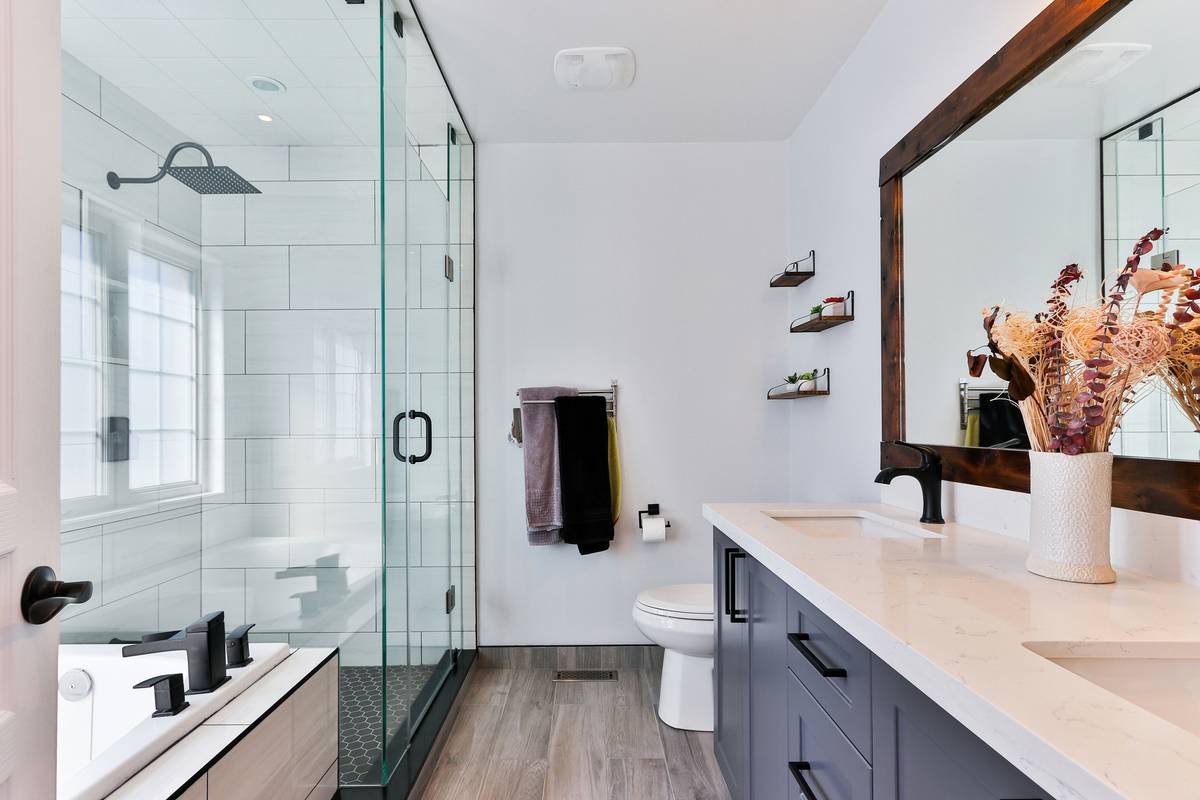
I learned this the hard way. After renovating my guest bathroom, I splurged on a sleek, ultra-thin rainfall shower head—only to discover it delivered less pressure than a garden sprayer. Turns out, my home’s 40-psi water pressure couldn’t support it. That “luxury” upgrade became a $120 paperweight. This isn’t uncommon. According to the U.S. Environmental Protection Agency’s WaterSense program, selecting the wrong type can waste up to 2,700 gallons of water annually per household—even if you’re trying to save.
Step-by-Step Guide to Selecting Your Ideal Shower Head
Assess Your Water Pressure and Plumbing
Grab a bucket and stopwatch. Fill it for 10 seconds—if you get less than 1.5 gallons, your pressure is low (<40 psi). Avoid large rainfall or multi-spray designs. Stick with high-pressure or aerated models that compensate with air mixing.
Determine Your Mounting Style
Wall-mounted? Ceiling-mounted? Handheld? Measure your existing setup. Most U.S. homes use ½-inch National Pipe Thread (NPT)—but verify before purchasing. Mismatched threads lead to leaks and returns.
Prioritize Flow Rate and Certification
Look for EPA WaterSense labels. These guarantee ≤2.0 GPM flow while maintaining performance. Non-certified “low-flow” models often underdeliver, leaving you frustrated and rewashing.
Match Features to Daily Use
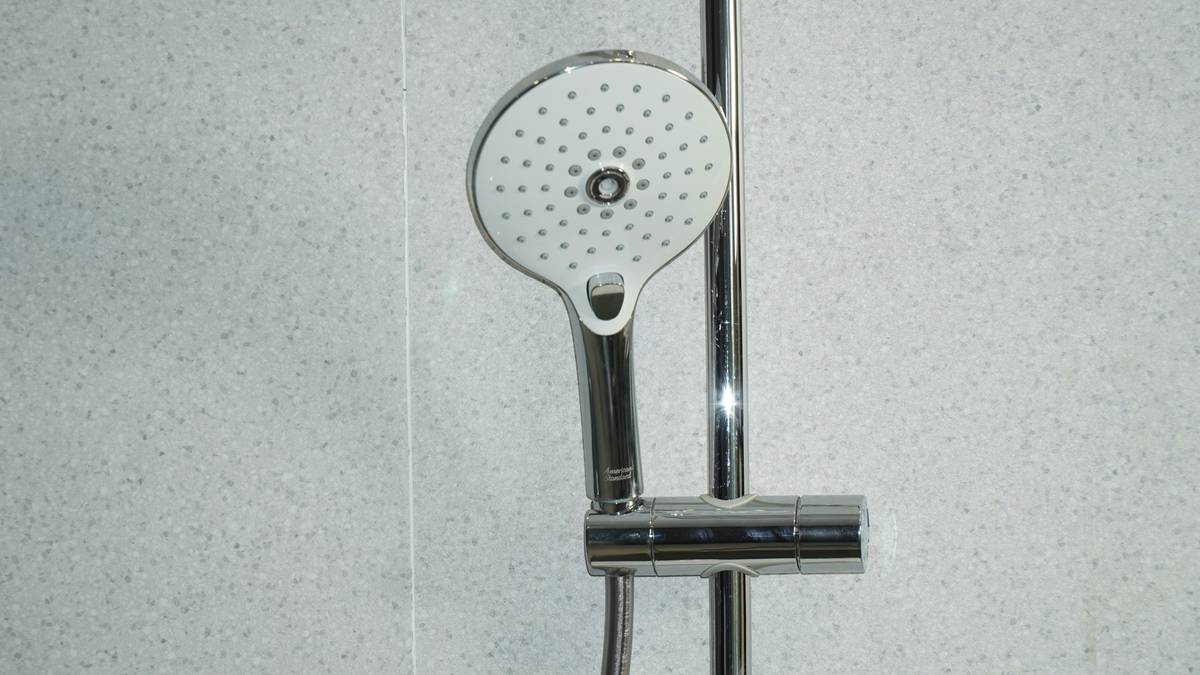
Hate rinsing shampoo off kids or pets? A handheld with a pause button adds flexibility. Prefer spa-like immersion? Opt for an adjustable rainfall head—but only if your pressure exceeds 50 psi.
Top Tips and Best Practices for Long-Term Satisfaction
- Avoid cheap plastic internals. Metal spray plates resist mineral buildup better. Brass or stainless steel bodies last longer.
- Clean monthly with vinegar. Soak the head or use a bag-and-rubber-band trick to dissolve hard water deposits.
- Don’t trust “universal fit” claims blindly. Even with standard threading, some mounts require extension arms or swivel adapters.
- Ignore this terrible tip: “Just buy the most expensive one.” Price doesn’t equal performance. Mid-range WaterSense models often outperform luxury non-certified options (per Consumer Reports testing).
Real Results: What Happened When Homeowners Got It Right
The Johnson family in Portland replaced their 2.5 GPM fixed head with a WaterSense-certified handheld model featuring three spray settings. Result? Their water bill dropped by $18/month, and morning routines shortened by 4 minutes per person. Meanwhile, after our own shower head fiasco, we switched to a high-pressure filtered model (with ½-inch NPT compatibility). The difference was night and day—consistent pressure, no clogs, and softer-feeling water thanks to built-in filtration. These outcomes aren’t flukes; they reflect matching the home improvement shower head type feature to real-world constraints.
We stand by quality-driven home upgrades—as detailed on our About Us page. And if you’re unsure about compatibility or installation, reach out via our Contact Us form. We’ll help you avoid our early mistakes.
Frequently Asked Questions
What’s the best shower head type for low water pressure?
High-pressure or compression-chamber models. They use internal mechanics to amplify flow without increasing consumption. Avoid large-face rainfall heads—they need ≥50 psi.
Are handheld shower heads better than fixed ones?
It depends on use case. Handhelds offer flexibility (great for cleaning, bathing kids, or mobility needs), while fixed heads provide consistent coverage. Many opt for combo units.
How often should I replace my shower head?
Every 6–8 years—or sooner if you notice reduced flow, visible corrosion, or persistent mold in nozzles despite cleaning. Old models also lack modern efficiency standards.
Does the home improvement shower head type feature affect water heating costs?
Indirectly, yes. Lower-flow, efficient models reduce hot water usage. A 2.0 GPM WaterSense head can cut annual water-heating energy use by up to 30%, per the Department of Energy.
Can I install a new shower head myself?
Absolutely. Most replacements require only an adjustable wrench and Teflon tape. Just shut off water first! If you’re modifying plumbing, consult a pro—see our Privacy Policy for how we handle service referrals.
Choosing the right fixture isn’t about chasing trends—it’s about solving for pressure, preference, and practicality. Get the home improvement shower head type feature right, and every shower becomes a reset button for your day. Ready to upgrade without the guesswork? Contact us—we’ve been there, soaked and frustrated, so you don’t have to be.
One last thought: A perfect shower doesn’t roar—it rinses, refreshes, and respects your resources.