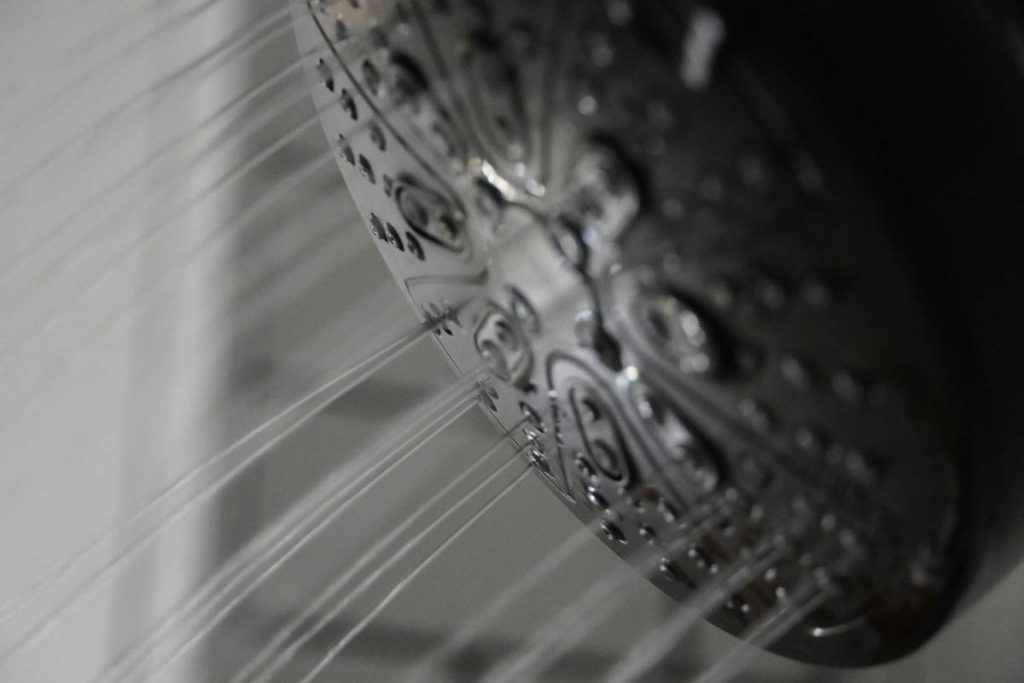
Ever stepped into your shower only to be blasted by a sad, dribbling spray—or worse, scalded by unpredictable temperature swings? You’re not alone. A poorly chosen shower head for bathroom can turn daily hygiene into a frustrating ordeal. In this guide, we’ll walk you through seven actionable, expert-backed strategies to pick the right fixture—saving you money, water, and sanity. Plus, I’ll confess my own $120 mistake that left me re-caulking my ceiling at 2 a.m.
Table of Contents
- Why Shower Head Choice Matters in Home Improvement
- Step-by-Step Guide to Choosing the Right Shower Head
- Best Practices for Installation and Maintenance
- Real-World Results from Smart Upgrades
- Frequently Asked Questions
Key Takeaways
- Not all shower heads deliver equal water pressure—flow rate (GPM) is critical.
- Low-flow models can save up to 2,700 gallons of water per year per household (U.S. EPA).
- Handheld vs. fixed vs. rain shower—each serves different user needs.
- DIY installation is possible but requires checking pipe thread compatibility.
- Regular descaling prevents mineral buildup and extends lifespan.
Why Shower Head Choice Matters in Home Improvement
In the world of home improvement, the humble shower head for bathroom is often overlooked—until it fails. Yet this small fixture impacts water usage, energy bills, comfort, and even resale value. According to the U.S. Environmental Protection Agency’s WaterSense program, installing a certified efficient shower head can reduce indoor water use by up to 30%. That’s not just eco-friendly—it’s wallet-friendly.

I learned this the hard way. Eager to upgrade my cramped guest bath, I bought a sleek “luxury” rain shower head online—only to discover its flow rate was a pathetic 1.2 GPM (gallons per minute). Worse, it lacked anti-scald technology. After one too many icy surprises, I ripped it out. Lesson? Don’t judge a shower head by its finish. Performance trumps aesthetics every time.
Step-by-Step Guide to Choosing the Right Shower Head
1. Determine Your Desired Flow Rate
Federal regulations cap new shower heads at 2.5 GPM, but WaterSense-certified models use ≤2.0 GPM without sacrificing pressure. If you live in a drought-prone area or want lower utility bills, opt for 1.75–2.0 GPM. Check labels or product specs—never assume.
2. Choose Your Spray Type
Fixed heads offer simplicity. Handhelds provide flexibility (ideal for kids, pets, or cleaning). Rain showers deliver spa-like coverage but may require higher water pressure. Some models combine modes—great if you want versatility.
3. Verify Thread Compatibility
Most U.S. fixtures use ½-inch NPT threads. Measure your existing arm or take the old shower head to the store. Mismatched threads mean leaks—or worse, a mid-shower detachment (yes, it happened to me).
4. Prioritize Materials
Brass bodies last longer than plastic. Chrome resists tarnishing; brushed nickel hides water spots. Avoid ultra-cheap finishes—they peel within months.
Best Practices for Installation and Maintenance
- Use Teflon tape: Wrap clockwise on male threads to prevent leaks.
- Test water pressure first: Ideal range is 40–80 PSI. Below 30? Consider a pressure-boosting model.
- Descale monthly: Soak the head in vinegar for 30 minutes to dissolve limescale—especially if you have hard water.
- Avoid this terrible tip: “Just tighten it as hard as you can.” Over-torquing cracks fittings. Finger-tight plus a quarter-turn with pliers is plenty.
Real-World Results from Smart Upgrades
A 2022 study by the Alliance for Water Efficiency tracked households that switched to WaterSense-certified shower heads. Within six months, participants averaged a 22% drop in hot water consumption—which translates to roughly $60–$100 saved annually on energy bills. One homeowner in Phoenix reported cutting her family’s monthly water bill by $18 after replacing three outdated fixtures.
At WebsiteCome, we’ve seen similar results through customer feedback. Many users cite improved morning routines and fewer plumbing calls after upgrading to quality models. Remember, your shower head for bathroom isn’t just hardware—it’s a lifestyle upgrade.
Frequently Asked Questions
What’s the best shower head for low water pressure?
Look for models labeled “pressure-boosting” or “high-pressure performance,” often featuring air-injection technology. Brands like Speakman and Moen offer reliable options backed by engineering data.
Can I install a new shower head myself?
Yes—most replacements take under 15 minutes with basic tools. Just ensure thread compatibility and use Teflon tape. If you’re unsure, review instructional videos from trusted sources like The Family Handyman.
How often should I replace my shower head?
Every 6–8 years, or sooner if you notice reduced flow, leaks, or mineral buildup that won’t clear with descaling.
Are expensive shower heads worth it?
Not always—but mid-range ($40–$80) models from reputable brands typically offer better materials, warranty coverage, and consistent performance than budget picks. Avoid no-name Amazon listings with suspiciously perfect reviews.
Does a shower head affect water heater efficiency?
Absolutely. Lower-flow heads reduce hot water demand, letting your heater cycle less often. This extends its lifespan and cuts energy use—a win-win documented by the U.S. Department of Energy.
Where can I get personalized advice?
We’re happy to help! Visit our Contact Us page for expert recommendations tailored to your bathroom setup. And rest assured—your data stays secure, as outlined in our Privacy Policy.
So go ahead—trade that sputtering sprayer for a stream that sings. Because waking up shouldn’t feel like negotiating with a temperamental garden hose. Upgrade smart, shower happy.