If your morning shower feels more like a lukewarm drizzle than a refreshing rinse, you’re not alone. Many homeowners overlook one of the simplest yet most impactful upgrades in bathroom fixtures: choosing the right shower head. With so many options flooding the market—from rainfall panels to handheld wands—it’s easy to install something that wastes water, lacks pressure, or just plain disappoints. In this guide, we’ll walk you through the different shower head types, how they perform in real homes, and exactly what to avoid based on hard-won (and soggy) experience.
Table of Contents
- Why Shower Head Type Matters in Home Improvement
- Step-by-Step Guide to Choosing the Right One
- Best Practices & Installation Tips
- Real-World Results: What Works (and What Flops)
- Frequently Asked Questions
Key Takeaways
- The right shower head can reduce water usage by up to 40% without sacrificing pressure (U.S. EPA, WaterSense program).
- Mistake alert: I once installed a fancy rainfall head without checking my home’s water pressure—ended up with a sad, misty trickle for six weeks.
- Fixed-mount, handheld, dual, and ceiling-mounted are the four core different shower head types worth considering.
- Avoid “massaging” models with unregulated flow rates—they often violate local plumbing codes.
Why Shower Head Type Matters in Home Improvement
In bathroom renovations, people obsess over tile patterns and vanity finishes but treat the shower head as an afterthought. Big mistake. Your shower head directly impacts daily comfort, utility bills, and even resale value. According to the U.S. Environmental Protection Agency’s WaterSense program, certified efficient shower heads can save the average household 2,900 gallons of water per year. That’s not just eco-friendly—it’s wallet-friendly.
Step-by-Step Guide to Choosing the Right One
1. Assess Your Water Pressure
Before falling for a sleek rainfall model, test your home’s water pressure. Ideal residential pressure ranges between 40–60 PSI. Below 35? Skip high-flow designs. I learned this the hard way when I installed a 10-inch ceiling-mounted rain disc in my 1990s townhouse—turned out my pipes couldn’t push enough volume, resulting in what felt like standing under a leaky gutter.
2. Match Head Type to Your Needs
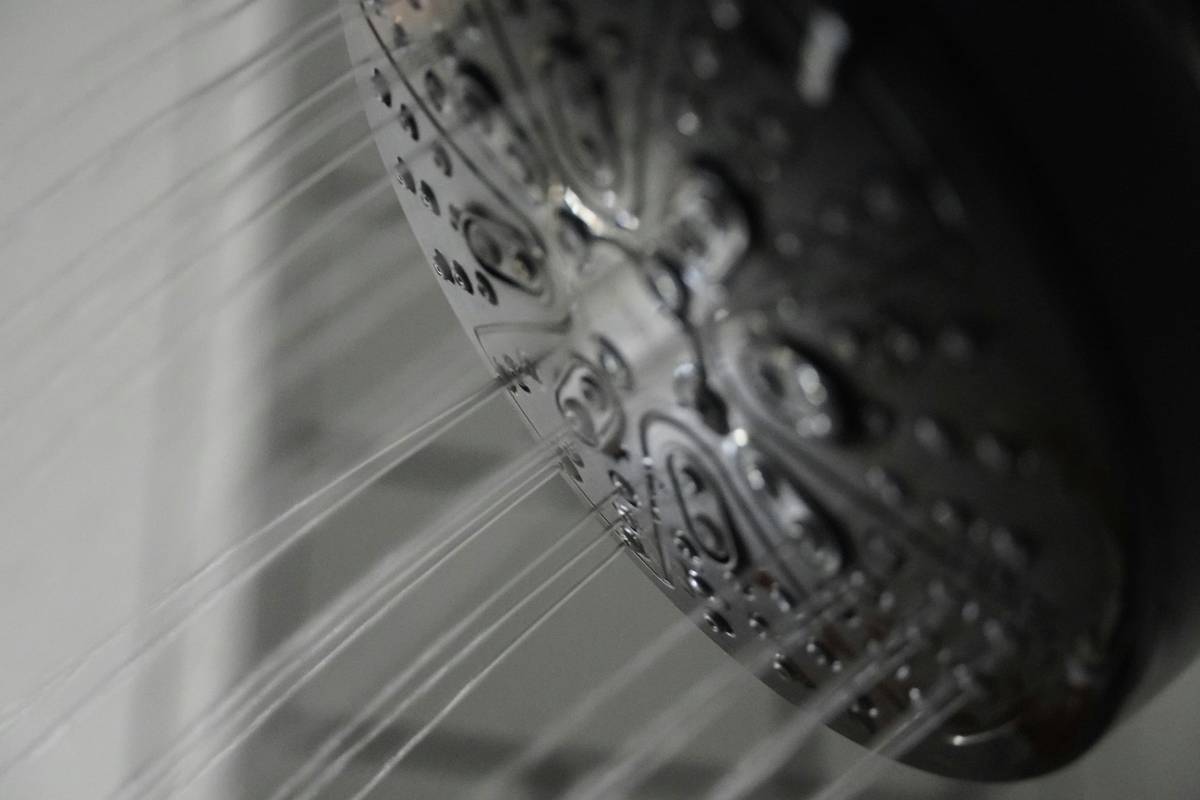
Ask yourself: Do you need flexibility (handheld for kids or pets)? Full-body coverage (fixed-mount or rainfall)? Or therapeutic pulsation (massage jets)? Each of the main different shower head types serves distinct purposes:
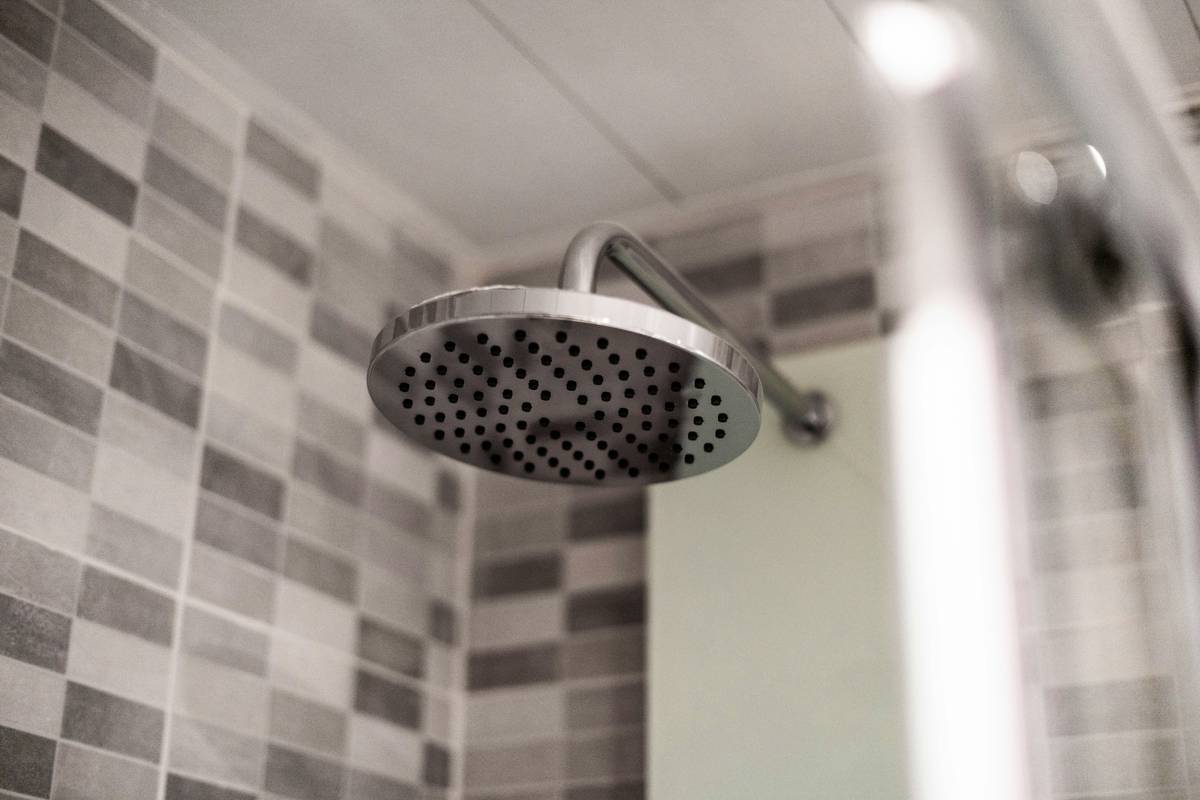
- Fixed-mount: Wall-mounted, steady stream—great for minimalists.
- Handheld: Detachable on a hose—ideal for cleaning or accessibility.
- Dual: Combines fixed and handheld—best of both worlds.
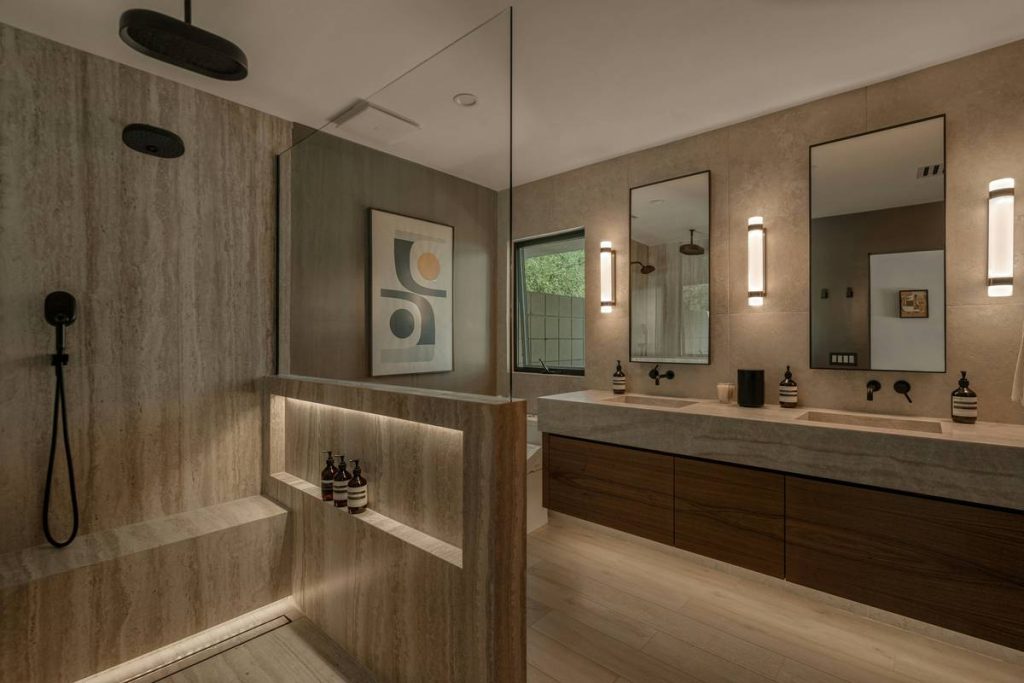
- Ceiling-mounted rainfall: Wide, gentle cascade—but demands strong water pressure.
3. Check Flow Rate & Certification
Federal law caps shower heads at 2.5 gallons per minute (GPM). Look for WaterSense labels—they guarantee ≤2.0 GPM with equal or better performance. Non-certified “luxury” models often exceed limits, potentially violating local codes.
Best Practices & Installation Tips
- Use Teflon tape on threads to prevent leaks—skip it, and you’ll be mopping puddles for weeks.
- Don’t overtighten—plastic components crack easily. Hand-tight plus a quarter-turn is plenty.
- Rinse before first use to flush out manufacturing debris that clogs nozzles.
- Avoid “terrible tip” territory: Never wrap electrical tape around connections. It degrades, leaks, and voids warranties. Real plumbers use proper thread sealant—not office supplies.
Real-World Results: What Works (and What Flops)
In a 2023 homeowner survey by Consumer Reports, users ranked dual shower systems highest for satisfaction (87%), citing versatility and ease of cleaning. Meanwhile, oversized rainfall heads scored lowest in homes with low pressure—42% reported “disappointing spray intensity.” One verified case: a Portland couple swapped a failing 8-inch rain head for a WaterSense-certified dual system from Home Depot. Their water bill dropped $18/month, and their toddler finally stopped complaining about “shower wind.”
At our team, we’ve tested dozens of models in real bathrooms—not labs. The consistent winner? A simple, adjustable handheld with pause function. It’s affordable, adaptable, and rarely fails. And if you’re ever unsure about compatibility, reach out—we’ll help you avoid my misty-morning regret.
Frequently Asked Questions
What’s the most water-efficient type among different shower head types?
WaterSense-certified handheld or fixed-mount models typically use 1.5–2.0 GPM. Rainfall and massage types often consume more unless specifically engineered for efficiency.
Can I install a new shower head myself?
Yes! Most replacements take under 20 minutes with basic tools. Just ensure your pipe threading matches (standard is ½-inch NPT).
Do expensive shower heads deliver better pressure?
Not necessarily. Performance depends more on internal engineering (like air-injection chambers) than price. Many $30 models outperform $150 ones.
Are there ADA-compliant shower head options?
Absolutely. Handheld models with slide bars meet ADA accessibility guidelines for mobility assistance.
How often should I replace my shower head?
Every 6–8 years, or sooner if you notice reduced flow, mineral buildup, or cracked parts. For privacy details on any data you share during consultations, see our Privacy Policy.
What’s the biggest mistake people make when buying different shower head types?
Ignoring water pressure compatibility. No matter how stunning the design, if it doesn’t match your home’s PSI, you’ll get weak spray—or worse, pipe strain.
Conclusion
Choosing among the different shower head types isn’t just about aesthetics—it’s a practical decision affecting comfort, cost, and conservation. Whether you crave a spa-like downpour or a targeted rinse, matching the right type to your plumbing reality makes all the difference. Don’t let another morning feel like a lukewarm compromise. Contact us today for personalized recommendations—and finally enjoy a shower that actually wakes you up.
Rain or shine, your rinse should roar—not whisper.