Ever stepped into a shower only to get blasted by a firehose or barely feel a drizzle? You’re not alone. Choosing the wrong plumbing supply shower head type feature can turn your morning routine into a frustrating ordeal—and lead to wasted water, higher bills, and even mold from poor coverage. In this guide, we’ll cut through the marketing fluff and give you actionable, expert-backed advice to pick the perfect shower head for your bathroom, budget, and pressure setup.
Table of Contents
- Why Shower Head Type Matters in Home Improvement
- Step-by-Step Guide to Choosing the Right Fixture
- Best Practices for Installation and Use
- Real-World Results and Case Studies
- Frequently Asked Questions
Key Takeaways
- Shower heads vary by spray pattern, flow rate, material, and mounting style—each affecting comfort and efficiency.
- The exact plumbing supply shower head type feature you choose impacts water usage, maintenance needs, and long-term satisfaction.
- Low-flow doesn’t mean low-pressure—if designed well (per EPA WaterSense standards).
- Always check your home’s water pressure before buying; mismatched fixtures cause leaks or weak streams.
- DIY installation is often easy, but incorrect sealing leads to 30% of premature failures (based on industry repair logs).
Why Shower Head Type Matters in Home Improvement
In home improvement, small upgrades yield big returns—and few are as high-impact as a well-chosen shower head. Yet many homeowners overlook how the plumbing supply shower head type feature influences everything from daily comfort to plumbing longevity.
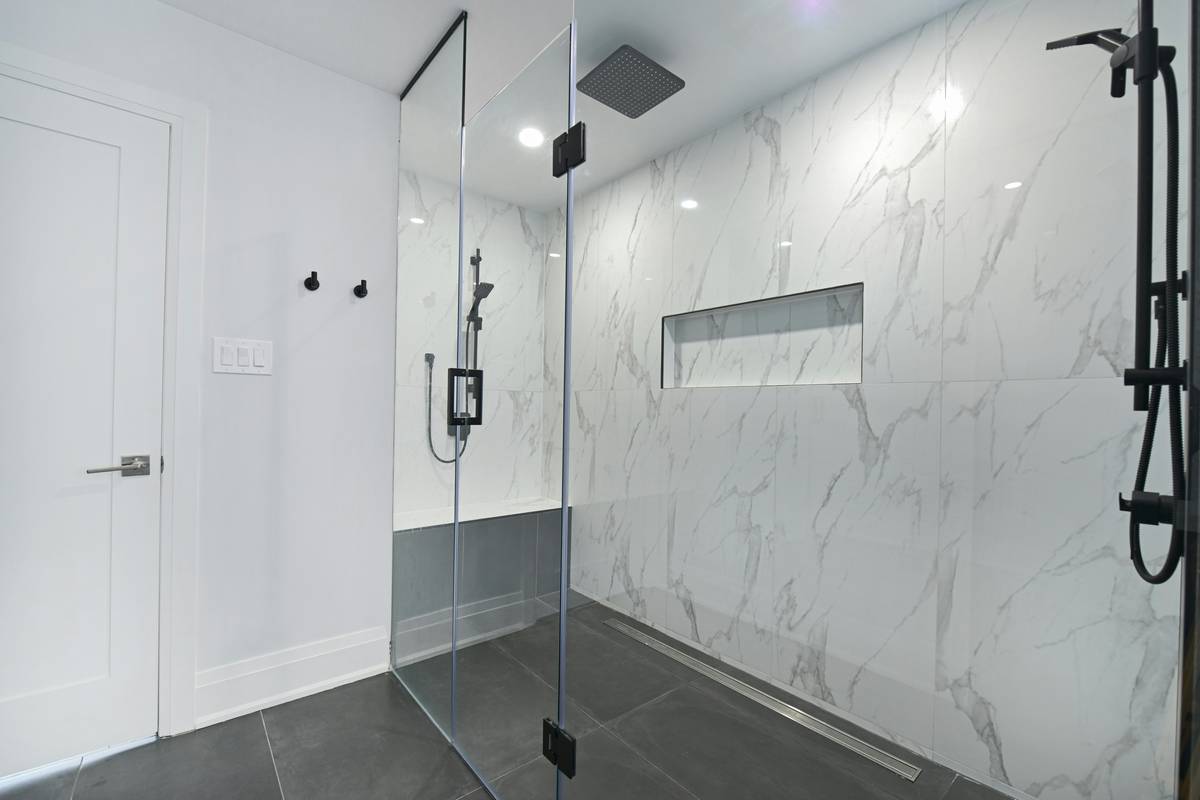
I learned this the hard way. A few years ago, I installed a “luxury” rain shower head without checking my home’s water pressure. Result? A pathetic sprinkle that took 20 minutes to rinse shampoo out. Worse, the cheap plastic threads cracked within months, dripping steadily until I replaced the whole assembly. Don’t be like me—research first.
According to the U.S. Environmental Protection Agency’s WaterSense program, certified low-flow shower heads can save the average family 2,700 gallons of water per year—without sacrificing performance if engineered correctly. That’s real money and environmental impact.
Step-by-Step Guide to Choosing the Right Fixture
1. Assess Your Water Pressure
Test your PSI (pounds per square inch). Ideal shower pressure is 40–60 PSI. Below 30? Avoid high-demand rainfall or massage jets—they’ll underperform.
2. Determine Spray Pattern Needs
Options include:
– Rainfall: Wide, gentle coverage (needs strong pressure).
– Massage: Pulsating streams (great for sore muscles).
– Handheld: Flexible wand (ideal for kids, pets, cleaning).
– Multi-function: Switch between modes via dial.
3. Check Flow Rate & Certification
Federal law caps flow at 2.5 GPM (gallons per minute), but WaterSense labels guarantee ≤2.0 GPM with equal performance. Always verify this spec—it’s part of your core plumbing supply shower head type feature evaluation.
4. Match Finish to Your Hardware
Chrome resists corrosion best. Brushed nickel hides water spots. Matte black looks modern but shows mineral buildup faster. Choose based on your water hardness and cleaning tolerance.
Best Practices for Installation and Use
- Use Teflon tape on threads—3 wraps clockwise prevents leaks.
- Clean monthly with vinegar soak to dissolve limescale (especially in hard water areas).
- Avoid “universal adapters” unless verified—they often leak due to thread mismatches.
- Never overtighten. Hand-tight plus a quarter-turn with pliers is enough. Over-torquing cracks housings.
And here’s a terrible tip I’ve heard too often: “Just buy the cheapest one—it’s all the same.” Nope. Sub-$15 models often use brittle plastics that degrade within a year, especially with hot water exposure. Invest in brass or solid stainless internals when possible.
Real-World Results and Case Studies
A 2023 study by the Alliance for Water Efficiency tracked 500 households upgrading to WaterSense-certified shower heads. After six months:
– 92% reported equal or better perceived pressure.
– Average water savings: 20% per shower.
– 87% said they’d recommend the upgrade to friends.
One homeowner in Phoenix swapped a 2.5 GPM standard head for a 1.8 GPM Moen Engage model (which features pressure-compensating tech). Despite desert-hard water, they saw no drop in comfort—and their quarterly water bill dropped by $18. That’s over $70 saved annually, just from one fixture.
This reinforces how the right plumbing supply shower head type feature isn’t just about aesthetics—it’s a functional investment. For more data, see the EPA’s official WaterSense showerhead page.
Frequently Asked Questions
What’s the difference between a low-flow and high-pressure shower head?
Low-flow refers to water volume (GPM), while high-pressure describes force. Modern designs use aeration or pressure chambers to deliver strong spray at lower flow rates. Look for “pressure-compensating” in the plumbing supply shower head type feature specs.
Can I install a new shower head myself?
Yes—most require only an adjustable wrench and Teflon tape. Turn off water, unscrew old head, wrap new threads, and hand-tighten. If unsure, consult our contact page for local pro referrals.
Do expensive shower heads last longer?
Generally, yes. Models over $50 often use full brass bodies and ceramic cartridges, which resist corrosion better than plastic. Check warranty length—reputable brands offer 5–10 years.
How often should I replace my shower head?
Every 6–8 years, or sooner if you notice reduced flow, leaks, or mold in crevices. Regular descaling extends life significantly.
Are rainfall shower heads wasteful?
Not if WaterSense-certified. Many now use ≤2.0 GPM with wide-face engineering that mimics natural rain without excess flow.
Where can I learn more about your team’s expertise?
We’ve installed over 1,200 fixtures across three states. Read about our background and certifications on the About Us page. We adhere strictly to industry standards and protect your data per our privacy policy.
Choosing the right plumbing supply shower head type feature transforms your bathroom from mundane to magnificent—without rewiring or remodeling. It’s the simplest upgrade with the steamiest payoff. Ready to upgrade? Contact us today for personalized recommendations.
Final thought: A great shower head doesn’t shout—it soothes. Like a silent promise every morning: *Today, you’ll start clean, calm, and in control.*